Owning a car is more than a matter of getting from Point A to Point B; it’s about maintaining the vehicle that carries the lives of you and your loved ones daily. Whether you’re facing the routine tune-up or navigating the choppy waters of major automotive repairs, knowing where to turn in Hamilton for reliable and comprehensive car repair services is crucial. In this bustling Canadian city, where the hum of engines never fades, car owners seek nothing less than excellence in vehicle maintenance and repair solutions.
In the following article, we’ll navigate through the myriad of services and insights that Hamilton offers for your automotive needs. From picking the perfect service provider to understanding the complex world of car repairs, we’ve got you covered with a road map to a smoothly running vehicle.
Introduction:
Hamilton, the waterfall capital of the world, is also a city with a robust network of car repair services that cater to a variety of automotive needs. As cars become increasingly intricate, with a symphony of electronics, mechanical parts, and computer systems working in unison, the world of automotive repair evolves alongside. Comprehensive car repair solutions in this city are not just a necessity but a testament to the skill and technological advancement within the local automotive industry.
Whether you’re a daily commuter, a weekend road tripper, or a commercial vehicle operator, routine maintenance and occasional repairs are inevitable. Let’s delve into the essentials of car repair solutions in Hamilton to ensure your vehicle stays in top-notch condition.
1. Choosing the Right Repair Shop
- Look for certified technicians, such as those with ASE (Automotive Service Excellence) certification.
- Seek out reviews and recommendations from locals in Hamilton.
- Check whether the shop offers a warranty on their work.
- Ensure the repair shop has experience with your car’s make and model.
- Ask if the shop provides written estimates.
- Inquire about the shop’s equipment and technology.
- Evaluate the cleanliness and organization of the facility.
2. Understanding Repair Services
- Diagnostics: Technicians should use advanced tools to diagnose issues accurately.
- Engine Services: Engine tune-ups, oil changes, and cooling system maintenance.
- Transmission Work: Repair or replacement services for both manual and automatic transmissions.
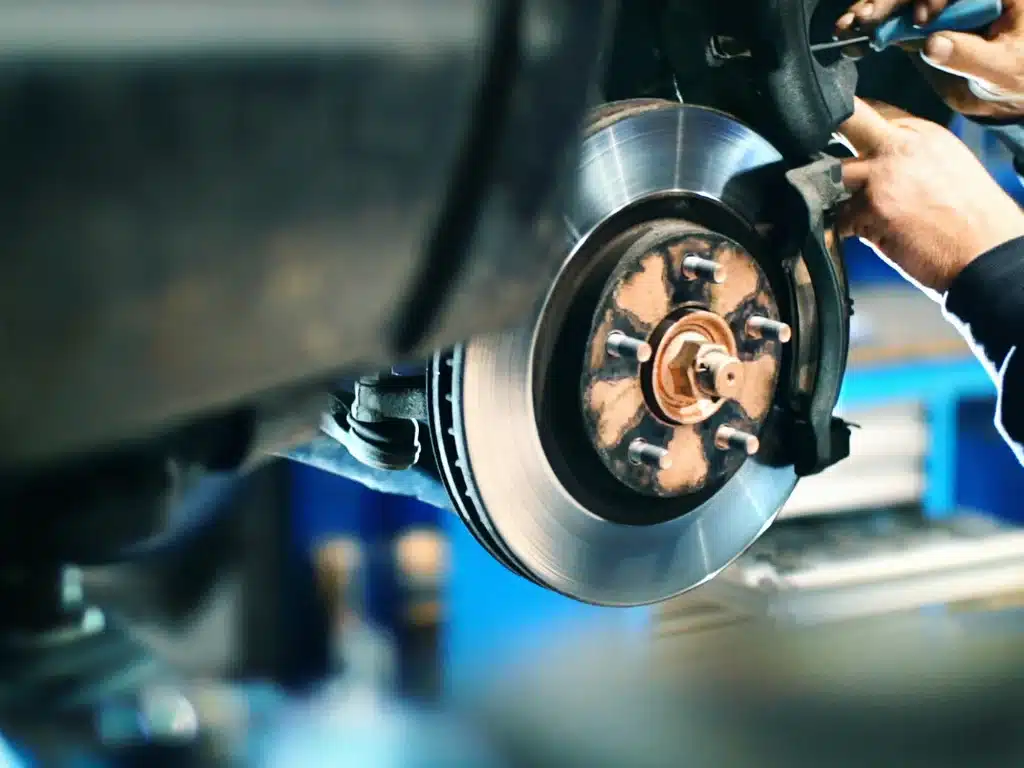
- Brake Services: Inspection, pad replacement, fluid checks, and line repairs.
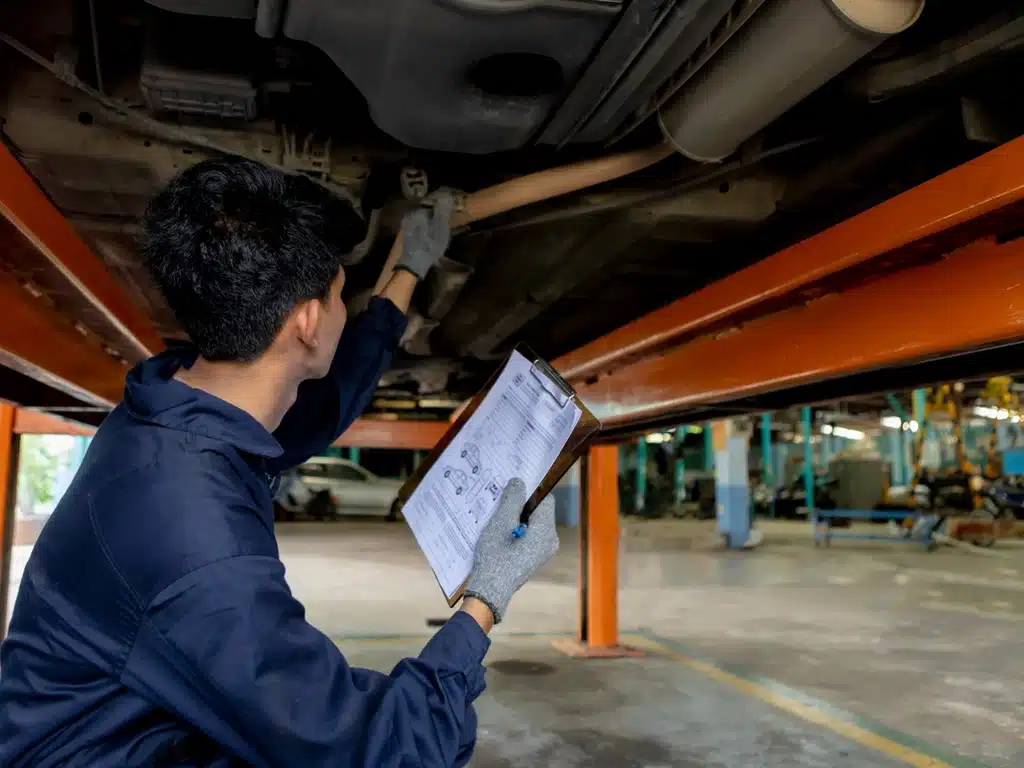
- Exhaust System Repairs: Muffler replacement, emissions control, and exhaust leak fixes.
- Electrical System Services: Battery replacement, alternator repairs, and wiring issues.
- Suspension and Steering: Shock absorber, struts, and power steering repairs.
3. Scheduled Maintenance
- Follow the manufacturer’s recommended maintenance schedule.
- Regular oil changes and filter replacements are critical.
- Tire rotations and alignments should be performed periodically.
- Check and replace brake fluid, transmission fluid, and coolant as required.
- Replace spark plugs and examine the ignition system at suggested intervals.
- Maintain the air conditioning system for optimal performance.
- Inspect belts and hoses for wear and replace if necessary.
4. Emergency Repairs
- Keep an updated list of emergency contact numbers for towing and repair services in Hamilton.
- Know the signs of car trouble that require immediate attention, such as smoke or unusual noises.
- Understand the basics of roadside safety if you encounter a breakdown.
- Ensure you have a well-stocked emergency kit in your vehicle.
- Be familiar with your vehicle’s warranty or insurance coverage for emergency repairs.
- Consider signing up for roadside assistance programs.
- Stay calm and communicate clearly with your chosen repair service about your vehicle’s symptoms.
5. Investing in Quality Parts
- Use OEM (Original Equipment Manufacturer) parts for guaranteed compatibility.
- Explore high-quality aftermarket parts when appropriate for cost savings.
- Ask for detailed information on part warranties.
- Consider the longevity and performance impacts of the parts chosen.
- Research the brand reputation and reviews of the parts being installed.
- Be wary of counterfeit parts and only purchase from reputable suppliers.
- Discuss part options with your mechanic to make an informed decision.
6. Tire Services
- Regular tire inspections can prevent blowouts and improve fuel efficiency.
- Invest in seasonal tire changes for winter driving conditions in Hamilton.
- Perform wheel balancing and alignment to extend tire life.
- Monitor tire tread depth and replace tires when necessary.
- Check tire pressure monthly, including the spare.
- Repair punctures and leaks promptly to avoid further damage.
- Store off-season tires properly to maintain their condition.
7. Technological Advancements in Car Repairs
- Stay informed about new diagnostic tools and software updates.
- Consider repair shops that use interactive vehicle health reports.
- Look for advancements in hybrid and electric vehicle repairs.
- Ask about the integration of mobile apps for repair tracking and reminders.
- Understand the importance of ADAS (Advanced Driver Assistance Systems) calibration.
- Explore the benefits of 3D printing for rare or obsolete parts.
- Discuss potential upgrades with your technician to improve vehicle performance and safety.
8. Budgeting for Repairs
- Set aside a dedicated fund for unexpected car repairs.
- Compare quotes from different repair shops in Hamilton.
- Ask about payment plans or financing options if available.
- Consider the cost-benefit ratio of repairs versus replacing the vehicle.
- Keep track of all repair bills and service records for resale value.
- Review your car insurance policy for potential coverage on certain repairs.
- Be proactive with maintenance to prevent costly repairs down the line.
9. Eco-Friendly Repair Practices
- Choose repair shops that recycle oil, batteries, and tires.
- Inquire about the use of environmentally friendly fluids and lubricants.
- Opt for remanufactured parts when possible.
- Look for shops that adhere to waste disposal regulations.
- Support businesses that incorporate energy-efficient fixtures and practices.
- Consider the impact of your vehicle’s emissions and seek regular checks for environmental compliance.
10. Relationship with Your Technician
- Build a rapport with your mechanic for personalized service.
- Communicate openly about any concerns or questions you have.
- Keep your technician informed about your vehicle’s history and any past repairs.
- Provide detailed feedback after services to help improve quality.
- Show appreciation for good work to encourage continued excellent service.
- Stay loyal to a good repair shop for potential discounts and priority service.
- Remember that a trustworthy and reliable mechanic is an asset to your car’s longevity.
Conclusion:
Navigating car repairs at Lube-A-Car Hamilton doesn’t have to be a daunting task. With a wealth of skilled technicians, advanced repair shops, and a focus on quality and customer service, you’re never too far from the help you need. The key to smooth car repair experiences lies in understanding the services offered, maintaining a proactive approach to vehicle maintenance, and establishing a trust-based relationship with your chosen service provider.
Remember, your car is your partner on the road, and it deserves the best care possible. Regular tune-ups and promptly addressing repair needs will not only ensure your safety but also extend the life of your vehicle. With the right approach and resources, car repairs can be a straightforward and manageable aspect of car ownership in Hamilton.
If you’re in Hamilton and in need of comprehensive car repair solutions, look no further. Our experience, expertise, and customer-first approach will ensure your vehicle remains in peak condition. Reach out today and let us take care of your automotive needs.
- Name: Lube-A-Car
- Address: 610 King St W, Hamilton, ON L8P 1C2,
- Phone: 905-521-8883,
- Email: lubeacaroil@gmail.com, or
- Visit lube-a-car.ca to learn more about our services.
“Your car, our commitment – Driving excellence in Hamilton“
FAQs
-
A1. Follow your manufacturer’s recommended maintenance schedule, typically found in your owner’s manual, and consider regular check-ups every six months.